What actually mattered, from Starbase to Shenzhen · 5-min read
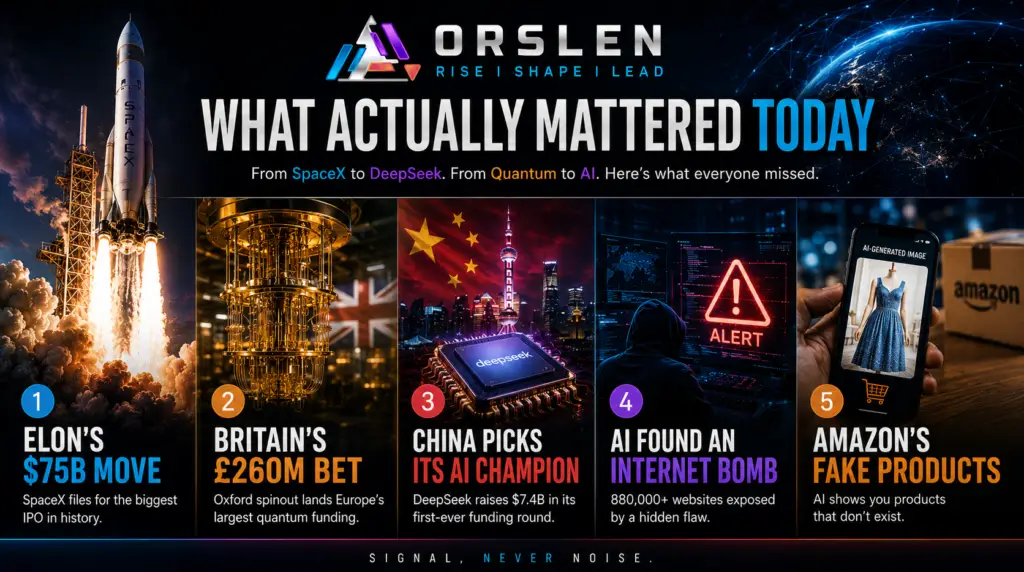
In a single day, the largest stock-market debut in history was filed, Britain landed a record bet on quantum computers, and an AI quietly found a crack in the plumbing of the internet. We checked every claim below against the original sources so you don’t have to. Here’s June 3, properly explained.
Table of Contents
1. Elon Musk Just Filed the Biggest IPO in History
Starbase, USA
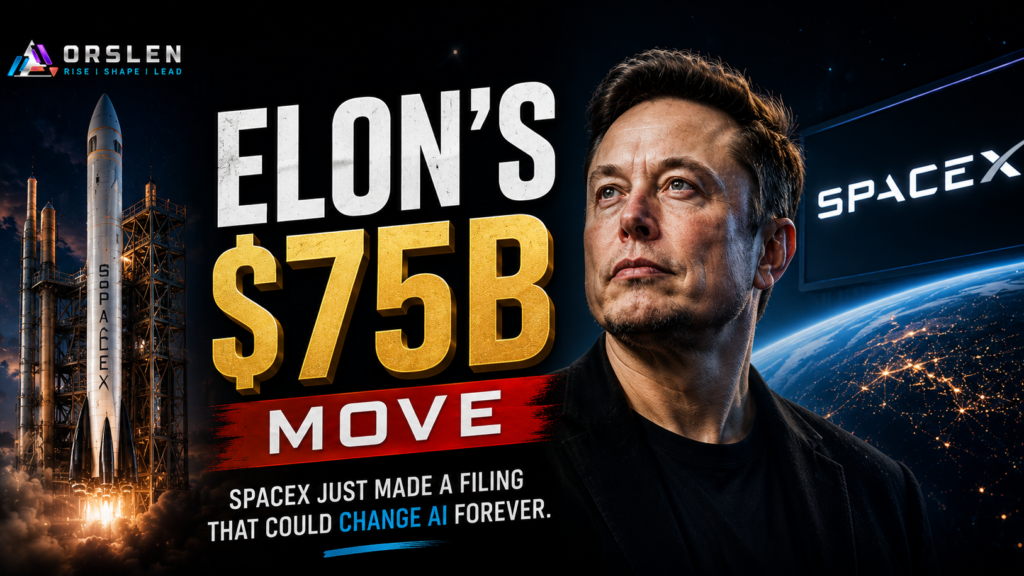
SpaceX filed to go public on Wednesday, and the numbers are hard to even picture. It wants to raise $75 billion — the largest stock-market debut ever attempted — at a value of around $1.77 trillion. That would instantly make it one of the most valuable companies on Earth, and could turn Elon Musk into the world’s first trillionaire.
The twist most coverage glosses over: this isn’t really about rockets. In its filing, SpaceX said it plans to pour the money into artificial intelligence — including the wild idea of putting data centers in space, orbiting satellites that crunch AI using free solar power and the deep cold of orbit for cooling. Genius or fantasy, the message is the same: the AI boom is now so hungry for money and power that the people building it are looking off the planet for room to grow. Trading is set to begin next Friday.
2. Britain Just Pulled Off Europe’s Biggest Quantum Bet
Oxford, UK
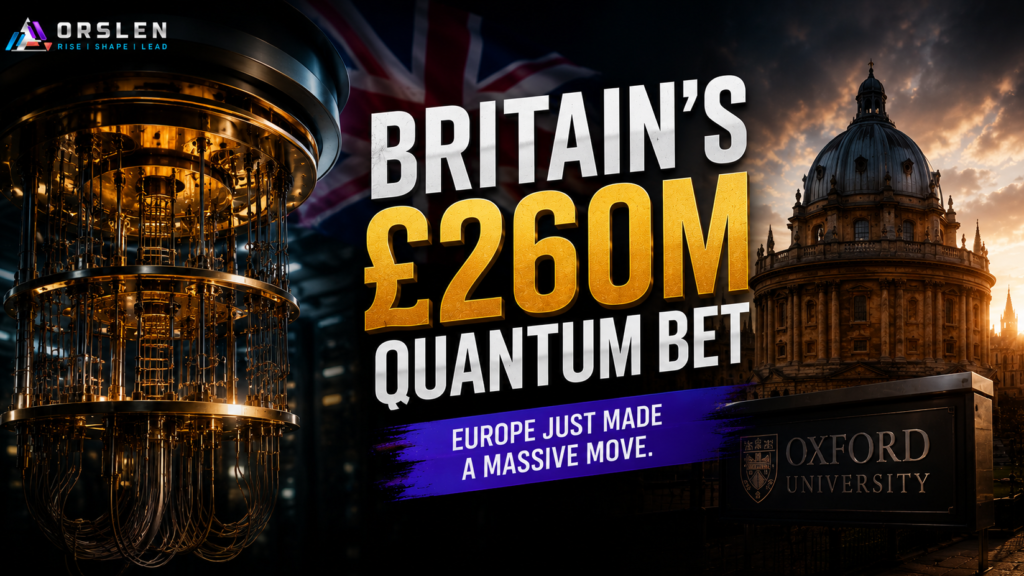
While everyone stares at AI, a quieter race is heating up: quantum computing. On Wednesday, a British company spun out of Oxford University — Oxford Quantum Circuits — raised £260 million (about $350 million), the largest private funding round any quantum company has ever landed in Europe.
Quantum computers are strange machines that could, in theory, one day solve problems today’s computers never will — designing new medicines, cracking codes, modelling the climate. The catch is they’re still early, fragile, and nobody has built a truly useful one yet. This cash is a bet that “useful” is finally getting close; the CEO called it a “coming-of-age moment for British quantum.” Why it matters: whoever cracks quantum first gets a massive head start in science, security and defence — and Britain just planted a flag while the US and China sprint.
3. China’s Most Famous AI Lab Finally Takes the Money
Hangzhou, China
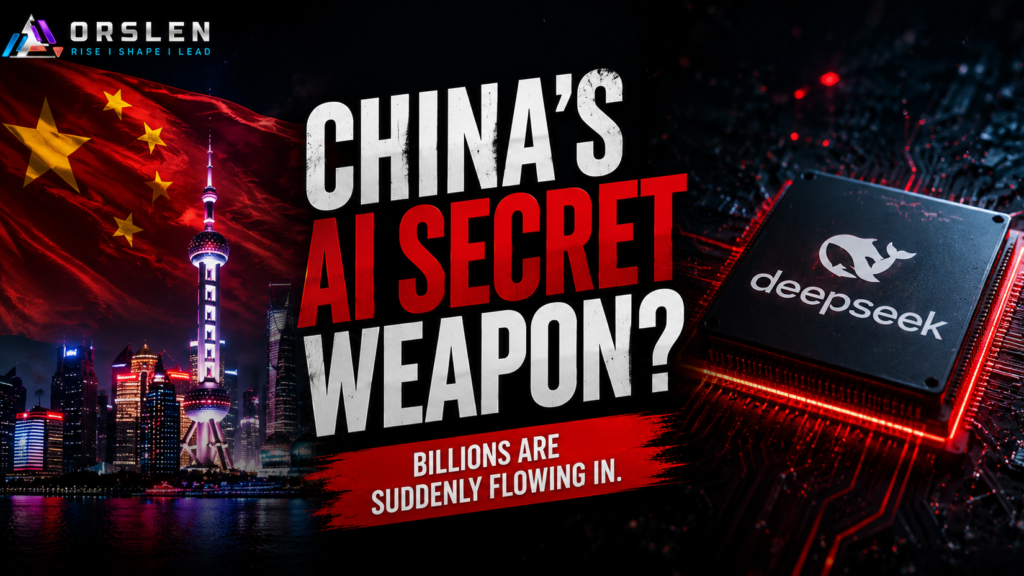
DeepSeek built its whole reputation on doing more with less — the Chinese lab that stunned the world in early 2025 by matching top US AI on a fraction of the budget, without taking a cent of outside investment. That just changed. DeepSeek is reportedly raising about $7.4 billion in its first-ever outside funding round, at a value of $52–59 billion, according to Reuters.
The backers tell the real story: a state-linked Chinese fund, tech giant Tencent, and even battery maker CATL, with founder Liang Wenfeng reportedly putting in roughly 40% himself. DeepSeek has also tuned its models to run on China’s homegrown Huawei chips, sidestepping US export limits. Why it matters: this is China quietly lining up its money, its champions and its own hardware behind a single AI contender — a sign the US–China AI race is hardening into two separate, self-sufficient camps.
Source: The Tech Portal (via Reuters) · Tech Startups
4. An AI Found a Crack in the Plumbing of the Internet
Global

Most of the websites you use run on a handful of behind-the-scenes programs with names like nginx and Apache. On Wednesday, researchers revealed a flaw — nicknamed “HTTP/2 Bomb” — sitting in the default settings of nearly all of them, including the technology that powers Cloudflare. In plain terms, an attacker can send one tiny, cheap request that tricks a server into choking on itself and knocks websites offline. Researchers found more than 880,000 public sites exposed.
Here’s the part that makes it a 2026 story: the bug wasn’t spotted by a human. It was uncovered by an AI coding tool, which worked out how to combine two old tricks into a brand-new weapon. Patches are already rolling out. Why it matters: AI is becoming a tireless bug-hunter — wonderful when the good guys use it first, frightening when they don’t. The race to find flaws just got a machine in the driver’s seat.
Source: The Hacker News · Cybersecurity News
5. Amazon Will Now Show You Photos of Things That Don’t Exist
Seattle, USA
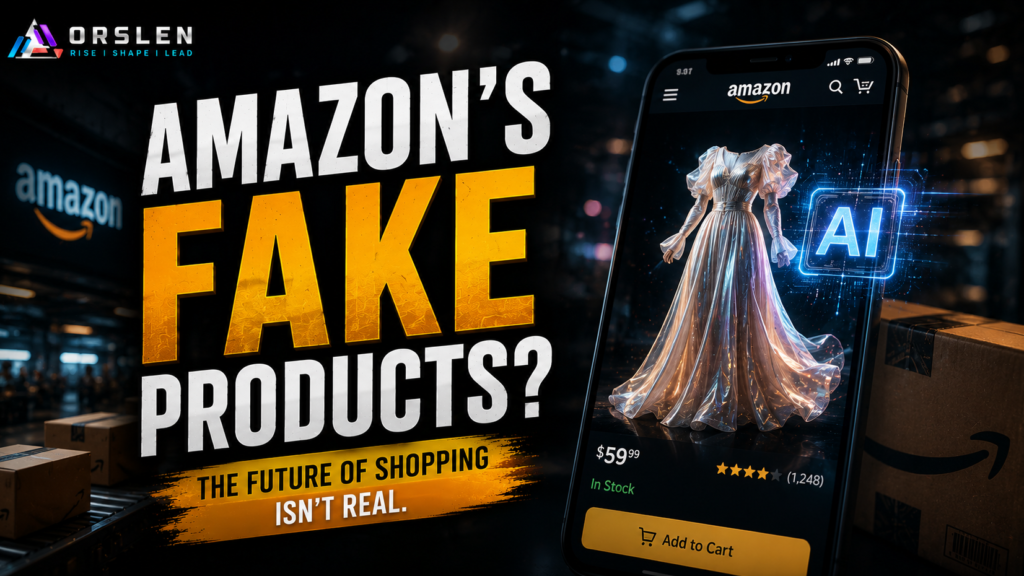
Here’s the one that’ll turn up on your own phone. Amazon began rolling out a feature that, as you type a search like “blue gingham dress,” instantly generates AI images of products — pictures of items that don’t actually exist — so you can tap the look you’re after and then browse real things like it. Amazon says it helps when you can’t find the right words for what you want.
Not everyone’s convinced. Critics asked the obvious question: why show made-up photos on a store full of real ones? Some called it confusing, even wasteful. The timing isn’t an accident — Amazon’s Prime Day lands June 23–26, and it wants every new toy live before the rush. Why it matters: generative AI is now creeping into the exact moment you decide to spend money — and quietly testing how much we’ll trust an image we know a machine invented.
Source: TechCrunch · Digital Trends
The One Thing to Take Away
Look at the five together and one thread jumps out. The money chasing AI is now so vast it’s reaching for orbit (SpaceX) and splitting the world into rival camps (DeepSeek). And the tools are getting stranger and stronger at the same time — quantum machines inching toward real use (Oxford), AI hunting security holes faster than people can (HTTP/2 Bomb), and AI slipping straight into your shopping cart (Amazon).
One Wednesday. Five corners of the world. All pointing the same way — the ground under tech is shifting, fast.
ORSLEN – Signal over noise!