
What actually mattered, from Cupertino to Taipei · 5-min read
Some days the theme writes itself. On June 4, the smartest companies on earth all quietly admitted the same thing: the AI race is now too big, too power-hungry, and too messy for anyone to win alone. Even Apple. We opened every source below ourselves before linking it. Here’s the day, explained plainly.
Table of Contents
1. Apple Is Handing Siri’s Brain to Two of Its Biggest Rivals
Cupertino, USA
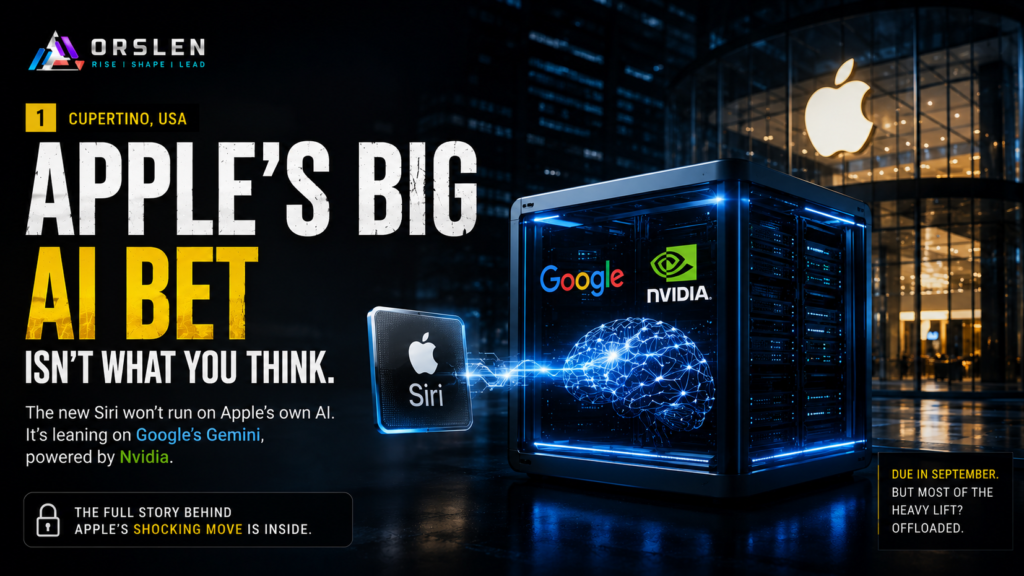
For years Apple insisted on building everything itself. That era looks over. According to a report from The Information, the long-promised new Siri — due in September — won’t run mainly on Apple’s own technology. The hard thinking will happen on Google’s Gemini AI, running on Nvidia’s most powerful chips, rented through Google’s cloud.
Read that twice. Apple is putting Google and Nvidia — two companies it competes with — at the heart of its most important AI product. Simple requests stay on your iPhone; anything complex gets shipped off to Google’s data centers, with your data encrypted while it’s processed. It’s a humbling turn for a company that built its whole brand on controlling every piece. Apple hasn’t confirmed any of this, and we may hear more at its developer conference on June 8. But if the report holds, the message is blunt: even Apple couldn’t go it alone.
2. Foxconn That Builds Your iPhone Is Now Building the AI Boom’s Backbone
Taipei, Taiwan
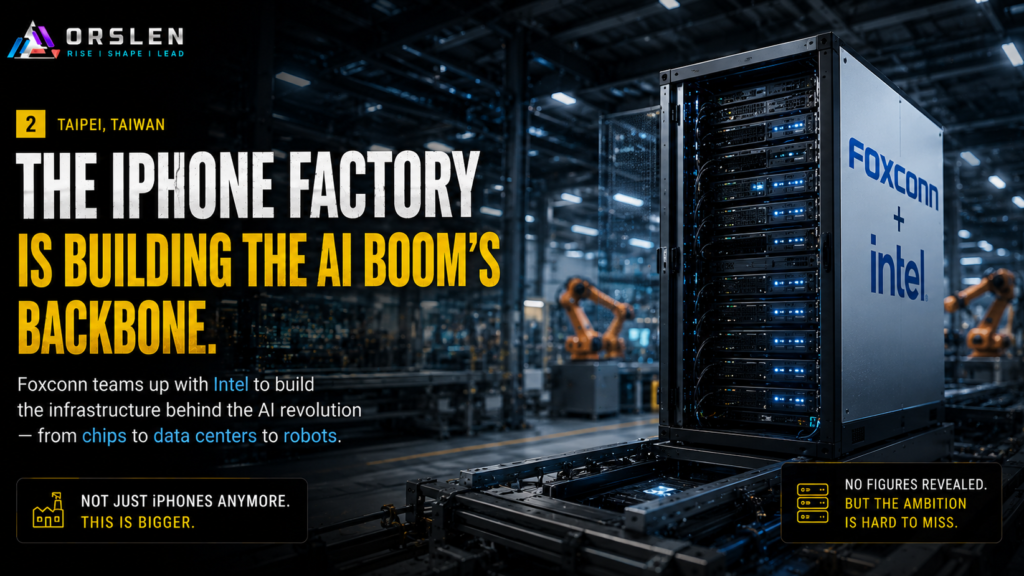
You may not know Foxconn by name, but you’ve probably held its work — it’s the giant Taiwanese firm that assembles iPhones and countless other gadgets. On Thursday it announced a partnership with chip veteran Intel to build the guts of AI data centers: the server racks, processors and cooling systems that big AI models actually run on. No money figures were shared, but the ambition is broad, stretching from chips all the way to robots, smart factories and self-driving systems.
Why care? Two reasons. First, it’s another sign the real AI battle has shifted from clever chatbots to the unglamorous “atoms” — the physical machines and factories behind them. Second, it’s a lifeline for Intel, the one-time chip king that’s spent years on the back foot and is now clawing for relevance against Nvidia. When the world’s biggest manufacturer bets on you, people pay attention.
Source: Reuters · Data Center Dynamics
3. Your Glasses Might Soon Know Everyone’s Name — Whether They Like It or Not
Menlo Park, USA
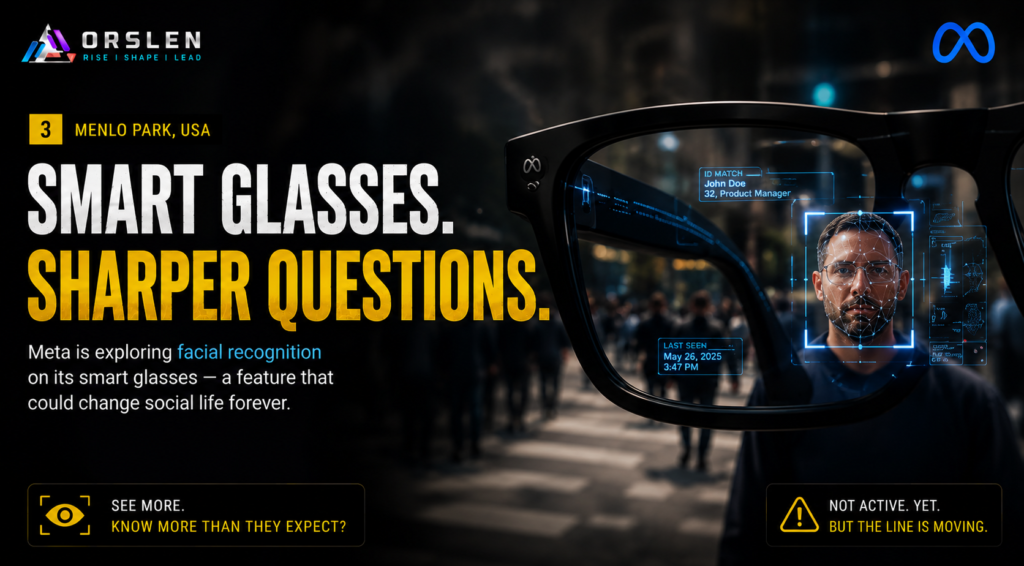
Here’s an unsettling one. Researchers at Wired dug through Meta’s AI app and found hidden code for a facial-recognition feature — codenamed “NameTag” — built to run on Meta’s smart glasses. The idea: the glasses capture a stranger’s face, then quietly tell the wearer who they are the next time your paths cross.
It’s not switched on, not available to anyone, and Meta insists it’s only “exploring” the technology and is “not building a central face database.” But this is the third time evidence of it has surfaced, and one leaked memo reportedly mused about launching during a political moment when watchdog groups would be distracted. Picture a world where anyone in ordinary-looking glasses can put a name to your face on the street. That’s the line society is being asked to think hard about — ideally before it ships, not after.
4. AI’s Hunger for Power Could Tear Apart America’s Biggest Electric Grid
Washington, USA

This is the AI story that lands on your kitchen table. The data centers powering the AI boom are gulping so much electricity that they’re straining the grid — and pushing up bills for ordinary households. On Thursday, Bloomberg reported that federal officials have floated something drastic: breaking up PJM (Pennsylvania, New Jersey, and Maryland Interconnection), the operator that runs the power grid across 13 states, from Illinois to the New Jersey shore.
The pressure is political as much as technical. As families watch their power bills climb, the warehouses full of humming AI servers are getting the blame, and lawmakers are scrambling for answers. Whatever ends up happening to PJM, the lesson is the bigger story: AI isn’t just code floating in the cloud. It’s steel, concrete and gigawatts of very real electricity — and the rest of us increasingly share the bill.
Source: Bloomberg
5. A Single Text Could Hijack the AI Assistant on Your Phone
Global
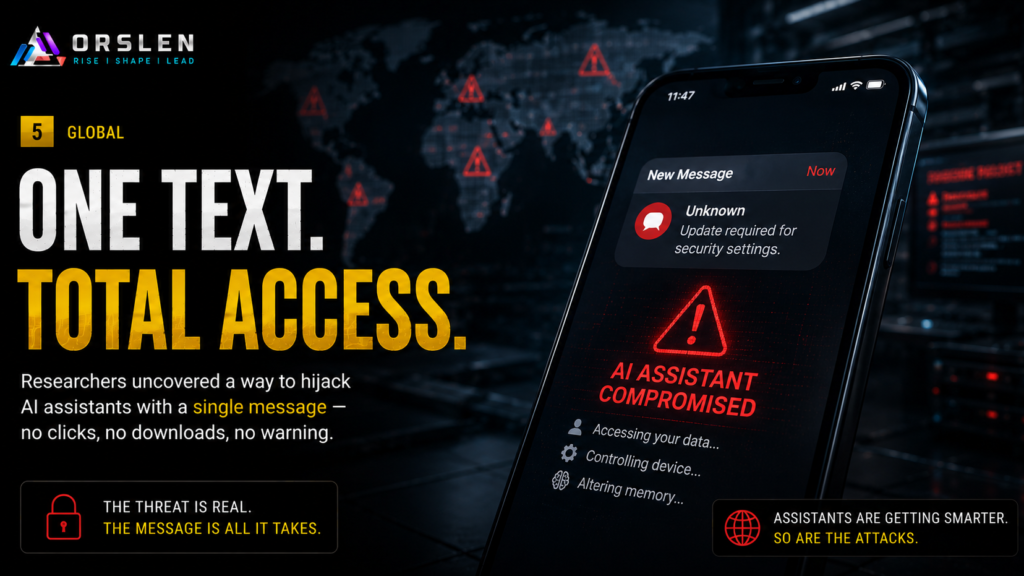
Imagine a stranger taking over your phone’s AI helper — without you tapping a thing. Security researchers showed it’s possible. A single booby-trapped notification, like one from a messaging app, could hijack Google’s Gemini assistant on an Android phone. Once tricked, it could be made to act on the victim’s behalf: starting a video call, fiddling with connected smart-home gadgets, even quietly twisting what the assistant “remembers” about you.
The unnerving part is there’s no dodgy app to install and no link to click — the assistant simply treats the poisoned message as a trustworthy instruction. Google has since hardened Gemini against this specific trick. But as these always-on assistants burrow deeper into our phones, homes and cars, the ways in multiply right alongside them. “Be careful what you click” doesn’t cover this one anymore.
Source: SecurityWeek
The One Thing to Take Away
Step back and June 4 tells one story in five scenes. Even Apple is leaning on rivals to keep pace (Siri). The fight has moved to the physical guts of AI — the racks and chips (Foxconn and Intel) and the sheer electricity to run them (the grid). And as AI pushes into our glasses (Meta) and our phone assistants (Gemini), the loudest questions aren’t about how clever it is — they’re about privacy, power, and who’s really in control.
The technology is racing ahead. The guardrails are racing to catch up.
ORSLEN – Signal over Noise!